It’s Monday morning, and before you even open your eyes, your phone is buzzing. Emails are stacking up. WhatsApp is pinging, Instagram is updating, and Google Calendar is yelling about back-to-back meetings.
You haven’t had your first sip of coffee, yet your brain feels drained.
This is burnout: a life where doing more, faster, and louder is glorified, while rest is seen as laziness. In a culture that never unplugs, exhaustion is worn like a badge of honour, and productivity gets confused with self-worth; it’s easy to feel overwhelmed and disconnected.
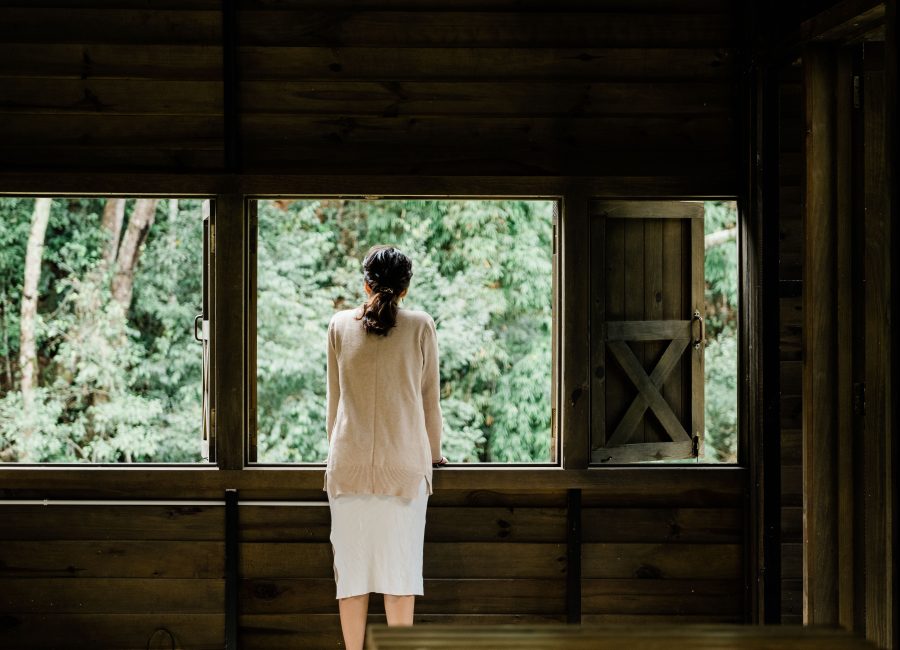
But there’s a quiet, powerful antidote to this chaos: solitude.
Not loneliness. Not isolation. But the intentional choice to step away from the noise, create space to breathe, and simply be. In stillness, we find clarity. In quiet, we regain strength. And in solitude, we begin to heal.
The “Always-On” Society: Understanding the Burnout Culture
Burnout culture is our default setting now, where stress, overwork, and exhaustion are accepted. Productivity gets put on a pedestal, while rest and self-care are dismissed as laziness. This “hustle mindset” glorifies being busy all the time, even though it comes at the cost of our health and happiness.
The numbers don’t lie. According to Forbes and Gallup, nearly 80% of employees feel work-related stress, and over 76% have gone through burnout at some point in their careers. Technology only fuels the fire-smartphones, emails, and various apps tether us to our jobs, blurring the line between work and personal life.
Even our supposed downtime isn’t restful anymore. Netflix binges, endless Instagram scrolling, and constant stimulation leave our minds overcharged, not recharged.
Burnout isn’t just feeling tired. It’s emotional exhaustion, cynicism, and the nagging belief that nothing you do is ever enough. WHO has even recognized it as an occupational phenomenon. And it’s not just about work anymore-it creeps into everything. Creativity plummets.
Relationships strain. Resilience fades.
The result? A whole generation running on empty: drained bodies, overwhelmed minds, and very little space to simply breathe.
What Solitude Really Means (and What It Doesn’t)
Say “solitude,” and people picture loneliness, isolation, or abandonment, but solitude is very different.
Loneliness is that heavy, unwanted feeling of disconnection. Solitude is a chosen space that’s nourishing. It’s enjoying your own company, creating room for reflection, creativity, and coming home to yourself so that you can show up with more clarity and presence in the world.
Even history’s greatest thinkers, poets, and innovators sought solitude for inspiration. The difference lies in choice-loneliness is empty and draining, but solitude is voluntary, fulfilling, and deeply restorative.
In a noisy, overstimulated world, solitude reminds us that being alone doesn’t mean being lonely-it can be exactly what we need to feel grounded, whole, and alive.
The Science of Solitude: How Alone Time Heals You
Alone time isn’t just quiet. It’s healing-mentally, physically, and emotionally. Here’s the science behind it:
#1. Clearer Mind, Better Focus
Stepping away from notifications can declutter your brain. Thoughts settle, priorities get clearer, and focus flows naturally. Research shows solitude activates the brain’s default mode network (DMN), which helps with introspection and self-reflection. This is how you reconnect with what really matters.
#2. Emotional Reset and Self-Understanding
Being alone lets you process your feelings-stress, joy, or frustration-without outside influence. Positive solitude strengthens your sense of self, helping you understand your triggers, values, and needs. It shifts you from reacting on autopilot to responding with intention.
#3. Stress Relief for Body and Mind
Alone time isn’t just good for your mind-it helps your body too. Taking a break from social pressures activates your “rest-and-digest” mode, slowing your heart rate, easing muscle tension, and lowering stress hormones.
#4. Improves Creativity and Ideas
Solitude also sparks imagination. Without constant input from others, your mind can wander, form new connections, and come up with fresh ideas. It also gives you freedom and space to reflect, experiment, and grow-just like many artists and inventors have done in their quiet moments.
#5. Stronger, Healthier Relationships
Ironically, spending time alone can actually improve your connections with others. It restores emotional balance and perspective, helping you approach people with more empathy and clarity. Alone time also strengthens boundaries, preventing burnout and making relationships more meaningful.
#6. Builds Inner Strength
Choosing to spend time alone is a way of protecting your energy and time. It gives you space to rest, reflect, and grow. Over time, this builds resilience-the calm, steady strength to handle life’s challenges. Humans are naturally social, but intentionally framed solitude helps balance the need for connection with time for yourself.
How to Embrace Solitude in Your Busy Life (Without Disappearing)
Solitude doesn’t mean escaping to the mountains or deleting all your apps (though you could). It starts with small, intentional moments. Try this:
#1. Quiet Mornings
Begin your day with silence. Skip the headphones and tune in to everything around you-the rustle of leaves, the crisp morning air, your own thoughts. Check in with yourself. A short, peaceful walk can set the tone for the day, making you clear-headed and ready to take on whatever comes your way.
#2. Journaling & Reflection
Journaling isn’t just for writers-it’s a way to create a little sanctuary. Writing down thoughts, feelings, or goals can untangle mental clutter, spark creativity, and deepen self-understanding. Over time, it becomes a space that gives you clarity and calm before the world pulls you in a hundred directions.
#3. Unplug to Recharge
Schedule tech-free evenings-30-60 minutes where you’re unreachable. Whether you’re reading, meditating, or simply enjoying quiet, these moments help you reclaim your focus and energy. The digital world can wait; your mind and body need the space to breathe and recharge.
#4. Get Lost in Nature
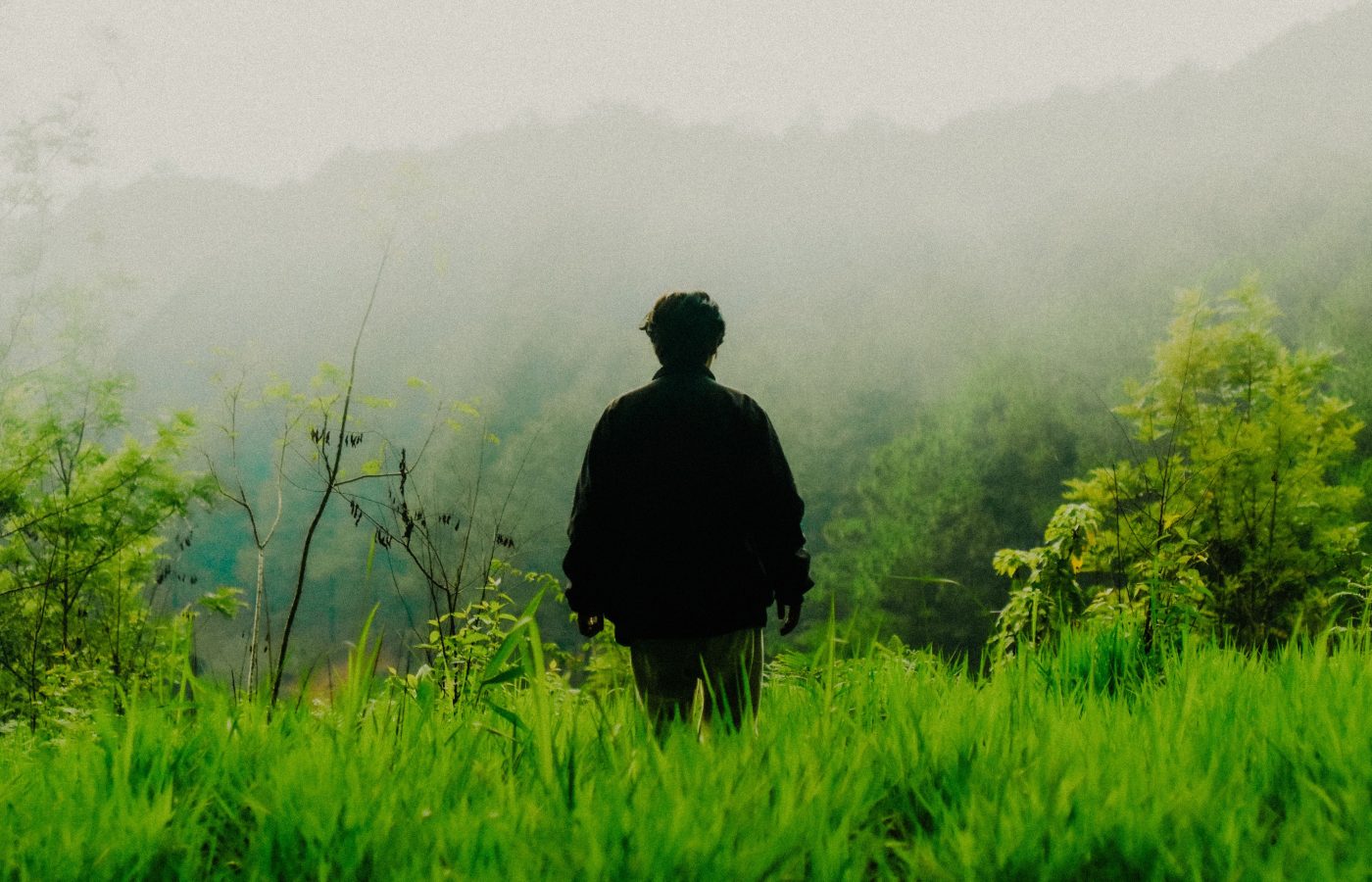
A weekend hike, a solo trip, or even a short nature retreat is like pressing pause on city chaos. Being among trees, water, or wide-open skies slows your mind, encourages deep breaths, and restores your energy. Even short escapes into nature can leave you feeling refreshed, grounded, and more in tune with yourself.
#5. Micro-Moments of Quiet
You don’t need hours to enjoy solitude-tiny pauses work wonders. Close your eyes for a minute before a meeting, savor your coffee without scrolling, or just take a deep breath between tasks. These small acts interrupt the rush and keep your mind calm and focused throughout the day.
#6. Turn Daily Tasks into Mindful Rituals
Coffee-making, cooking, sketching, or even watering plants can become moments of intentional solitude. Slow down, pay attention, and enjoy the process. These small rituals bring calm and presence into everyday life without requiring extra time or effort.
#7. Dine Out Alone
Going out for a meal by yourself isn’t lonely-it’s liberating. Without conversation distractions, you can savor the flavors, the ambiance, and your own thoughts. Dining solo teaches self-reliance, encourages mindfulness, and transforms an ordinary meal into a mini-retreat.
#8. People-Watching as Meditation
Sit quietly in a café, park, or plaza and watch the world move around you. Observing life without participating allows you to notice details, appreciate the rhythms of daily life, and stay grounded in your own calm. It’s solitude with a gentle connection to the world.
Bringing It All Together: How Solitude Heals in Burnout Culture
Choosing solitude can feel like a quiet act of rebellion in a culture that confuses burnout for ambition.
Solitude isn’t about hiding from life-it’s about coming back to yourself, calming your mind, and letting your creativity breathe.
Sometimes, the best way to survive the hustle isn’t doing more-it’s giving yourself the gift of doing nothing, alone. Your emails can wait. Your peace can’t.