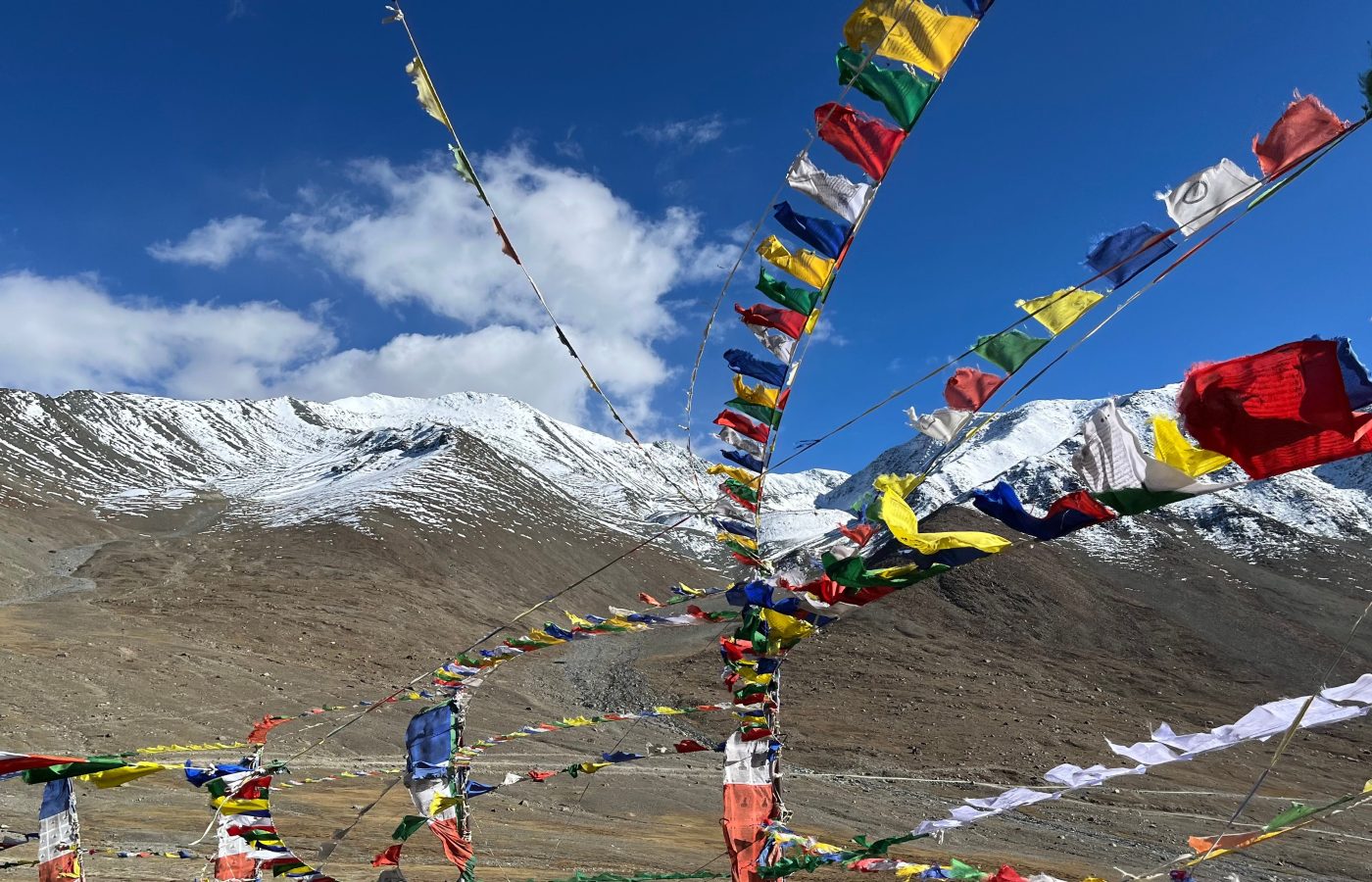
So, when should you actually go to Ladakh?
Apricot blossoms, monastery festivals, golden autumns or snow leopards?
Here’s Ladakh, through the year.
SPRING
April to mid-May
GO FOR: APRICOT BLOSSOMS
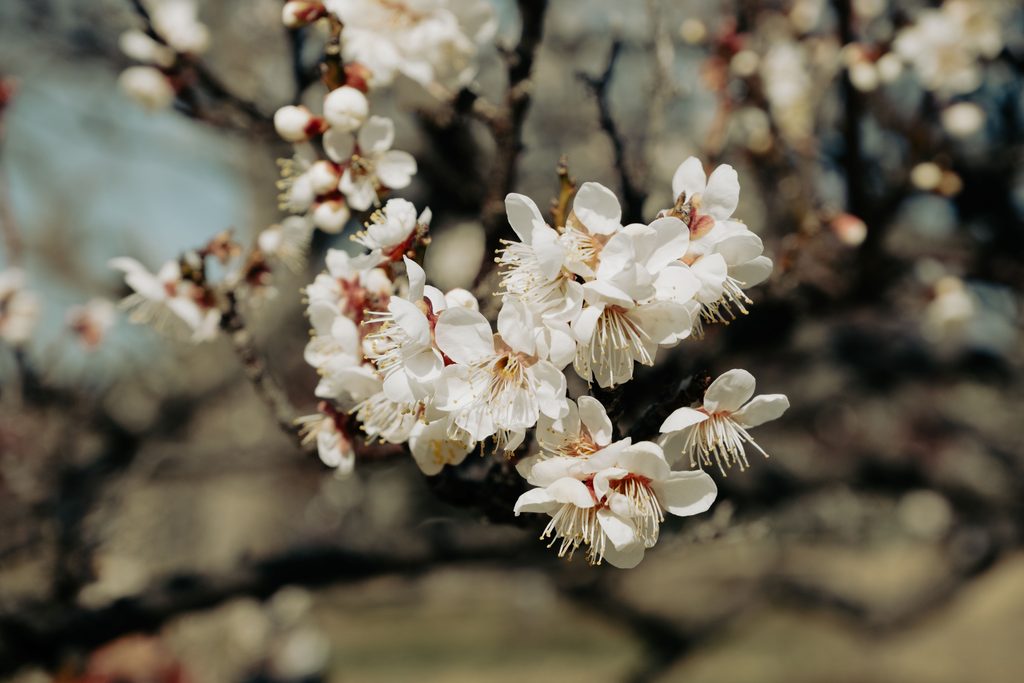
This is chuli mentok season, when Ladakh’s apricot trees burst into bloom.
The flowers don’t arrive everywhere at once. They move up the valleys with the altitude – beginning around Kargil and the Aryan Valley before reaching Sham and Nubra.
With many of the high passes still shut, it’s also Ladakh before the summer rush.
WHERE TO GO
Sham Valley • Aryan Valley • Turtuk & Tyakshi
LOOK OUT FOR
The annual Apricot Blossom Festival
SUMMER
Late May to August
GO FOR: THE FULL LADAKH EXPERIENCE
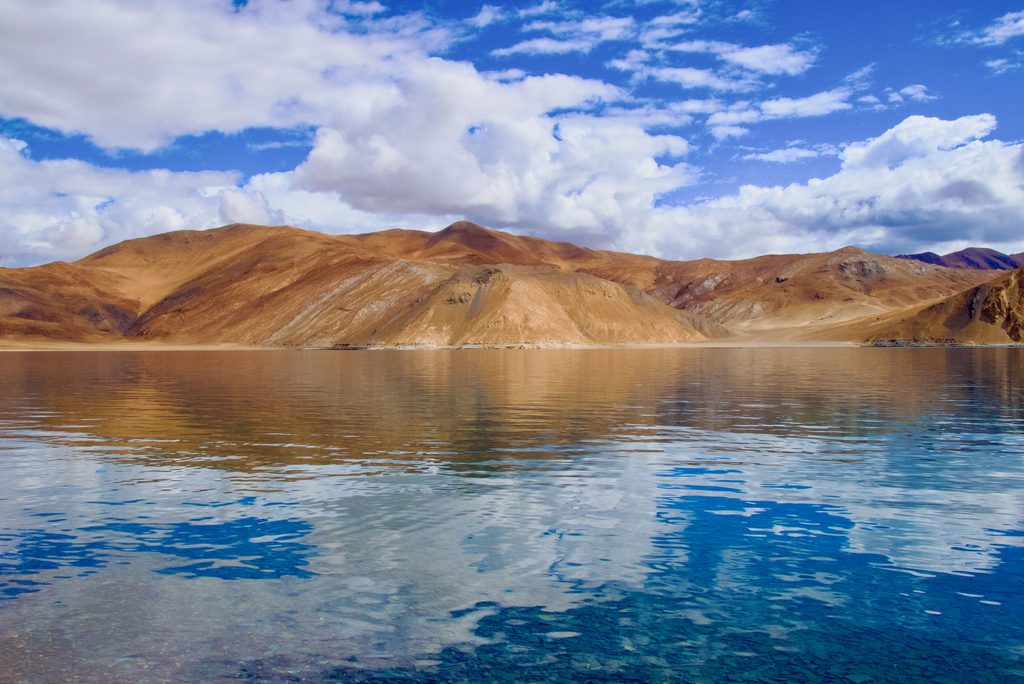
If it’s your first trip, this is the easiest time to see more of the region.
As roads and high passes open, Nubra, Pangong, Tso Moriri and Zanskar become more accessible. Villages turn green, trekking season begins and the monastery calendar gets busy.
WHERE TO GO
Nubra • Pangong • Tso Moriri • Zanskar • Hanle
LOOK OUT FOR
Hemis Tsechu • Yuru Kabgyat • Phyang Tsedup • Karsha Gustor
PLUS
Markha Valley and Sham Valley treks
AUTUMN
September to October
GO FOR: GOLDEN LADAKH
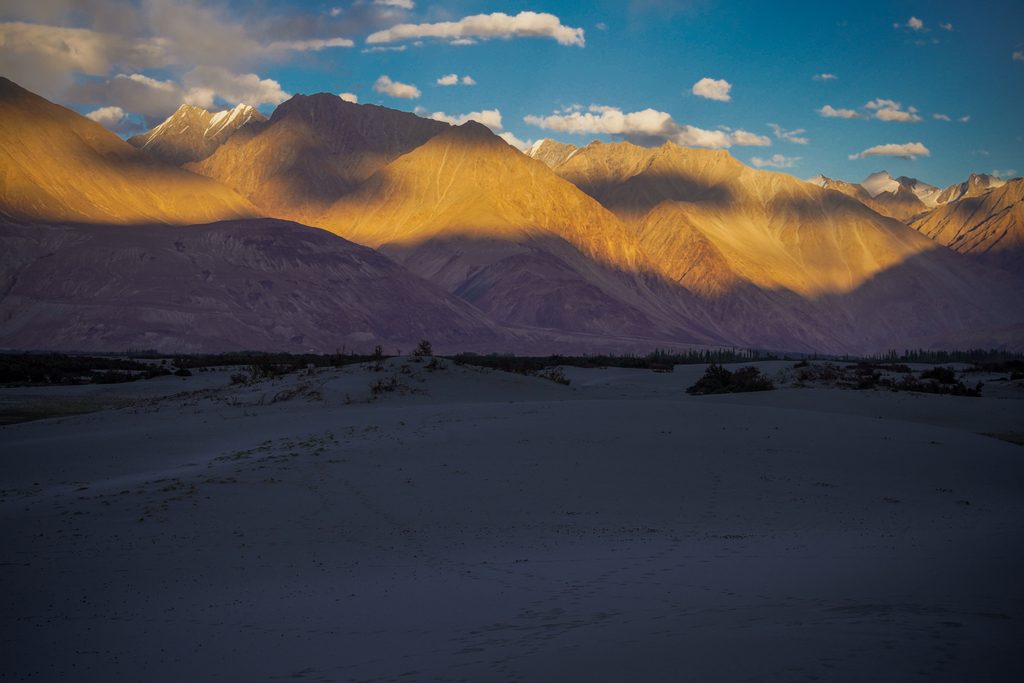
This might be Ladakh at its most photogenic.
The skies get clearer, poplars and willows turn gold, villages are harvesting and the peak-season crowds begin to thin out.
Just be prepared for increasingly cold nights.
WHERE TO GO
Leh & the Indus Valley • Hanle • Nubra • Pangong
LOOK OUT FOR
The Ladakh Marathon in September
GOOD TO KNOW
Many seasonal camps around Nubra and Pangong begin winding down from mid-October.
EARLY WINTER
November to December
GO FOR: LADAKH WITHOUT THE CROWDS
By now, road access becomes limited and flying is usually the practical way in.
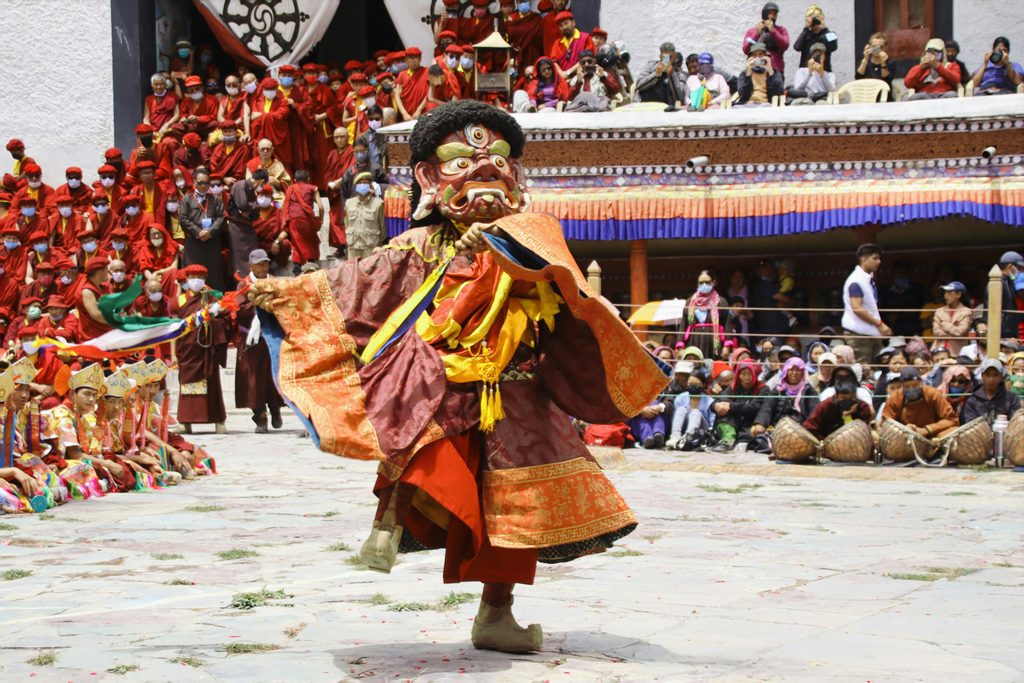
But that’s also what makes this season special. Leh quietens down, monasteries are far less crowded and December brings two important celebrations: Losar and Galdan Namchot.
WHERE TO GO
Leh • Thiksey • Hemis • Likir • Alchi • Matho
LOOK OUT FOR
Butter lamps and illuminated homes and monasteries during Galdan Namchot.
DEEP WINTER
January to February
GO FOR: SNOW LEOPARDS & A VERY DIFFERENT LADAKH
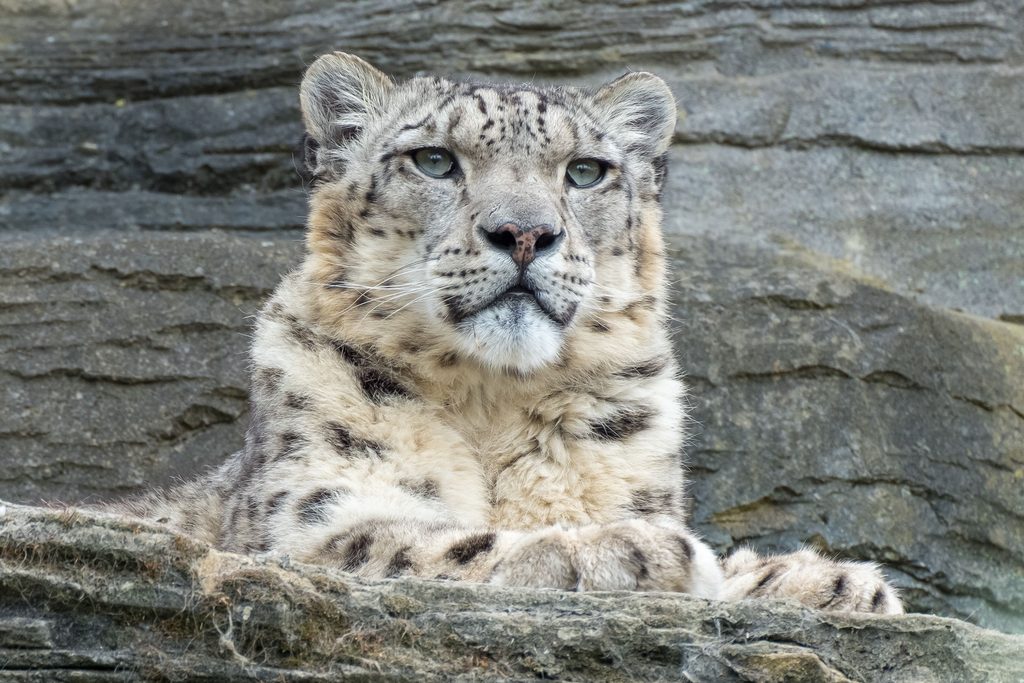
This is Ladakh at its most extreme. It’s quieter, colder and far less predictable.
Snow leopards move to lower elevations in search of prey, making winter one of the best seasons for tracking them around Hemis National Park and parts of the Sham region.
There are monastery festivals too, including Spituk Gustor and Dosmoche.
WHERE TO GO
Rumbak • Ulley • Saspotsey • Leh • Spituk
GOOD TO KNOW
Winter trekking here is serious business. Routes depend on snow and ice conditions, and many require experienced local guides, permissions and additional safety checks.
Always check what is actually open before planning your trip around a trek.
WHERE TO STAY: LEH & AROUND
Dolkhar, Leh
Seven villas set around an apricot and apple orchard.
Chospa, Leh
Contemporary, central and an easy walk from the bazaar.
Stok Palace Heritage, Stok
For the rare chance to stay inside the Namgyal family’s palace.
Nimmu House, Nimmoo
A restored heritage home with tents in the orchard.
The Grand Dragon, Leh
One of the city’s established luxury addresses.
Ladakh Sarai, Saboo
Cottages away from central Leh.
Chamba Camp, Thiksey
A tented stay beneath Thiksey Monastery.
WHERE TO STAY: NUBRA
Stonehedge, Hundar
A boutique retreat surrounded by Nubra’s mountains.
Lchang Nang Retreat, Sumur
A quieter stay in Sumur.
The Kyagar, Nubra
An intimate property with local produce woven into the experience.
WHERE TO EAT: LADAKHI FOOD
Namza Dining, Leh
For Silk Route recipes and Ladakhi dishes in a garden setting on Zangsti Road.
De Khambir, Leh
For an unfussy introduction to everyday Ladakhi food: khambir, skyu, paba, thenthuk and butter tea.
Alchi Kitchen, Alchi
Nilza Wangmo’s pioneering kitchen. Make this a lunch stop while exploring Alchi and the Sham Valley.
WHERE TO EAT: IMMERSIVE LADAKHI DINING
Tsam Khang by Chef Jigmet
An intimate Ladakhi dining experience built around one table, seasonal produce and storytelling. More like being invited into someone’s home than going out to a restaurant.
Artisanal Alchemy
Kunzes Angmo’s deeply researched, long-form Ladakhi dining experience. Book ahead rather than simply turning up.
The Heritage Kitchen by Stonehedge, Hundar
A multi-course Ladakhi meal in Nubra, with the region’s landscape, ingredients and food traditions at its heart.
WHERE TO EAT: BEYOND THE CLASSICS
Tsas at Dolkhar, Leh
Seasonal, plant-forward cooking with Ladakhi produce at its heart.
RYU OKA at The Grand Dragon, Leh
Pan-Asian dining for when you want a change of pace.
Willow at Chulli Bagh, Stok
An orchard-side restaurant near Stok Palace. Make it a leisurely lunch rather than a quick stop.
The Tibetan Kitchen, Leh
A Fort Road favourite for momos, thukpa, thenthuk and Tibetan comfort food.
Montagne, Leh
A contemporary café in the Main Bazaar area for breakfast, coffee or an easy meal.
BEFORE YOU GO

A few things worth knowing before you land:
Give yourself time.
Spend your first couple of days taking it easy in Leh before heading higher.
Use water carefully.
Ladakh is a high-altitude desert. Water is precious.
Carry your waste back.
What you leave behind doesn’t magically disappear.
Don’t forage because you saw it on Instagram.
Ask someone local first. They’ll know what’s abundant, what’s rare and what shouldn’t be picked.
And perhaps most importantly:
Don’t try to “do” Ladakh too quickly.
This is one place where slowing down makes the trip better.