With today’s fashion, the thrill of something new often fades after a season – or a passing Instagram trend – as fast fashion encourages us to buy, toss, and repeat. But, beneath this throwaway culture hides a timeless tradition: hand-me-downs.
These aren’t just some old clothes; they are garments woven with memories – your mother’s sari tucked in a suitcase, your father’s old baggy shirts or your sibling’s perfectly worn denim jacket, carrying stories of weddings, festivals, heartbreaks, and adventures.
Unlike fleeting trends, hand-me-downs have soul. And with creative upcycling, they’re making a much-needed stylish comeback, blending heritage with modern design while proving that what’s passed down can be more personal, fashionable, and sustainable than anything off the rack.
The Problem with Fast Fashion
To appreciate the beauty of a well-loved garment, we must understand the harmful cycle it disrupts. Fast fashion churns out trends at breakneck speed and steep cost. Millions of tonnes of clothing end up in landfills each year. Rivers run with toxic dyes. Huge amounts of water and energy as wasted. And according to a BBC report, the people making these clothes are underpaid and denied basic dignity.
This throwaway system teaches us to view clothes as temporary – meant to be worn a handful of times before being discarded. Craftsmanship, emotional connection, and any sense of personal style gets erased. The result? We all end up looking the same, while the planet suffers.
But there’s another way. By choosing to rewear, repair, and cherish what we already own, we can turn fashion into something personal and purposeful again.
Why Hand-Me-Downs Matter More Than Ever
For many, hand-me-downs are tied to childhood – stories of family gatherings, school adventures, and milestones. These pieces weren’t about Instagram trends; they represented continuity, connection, and resourcefulness.
As fast fashion dominated, cheap micro-trends and the culture of “newness” dulled the emotional value. But with growing awareness of fashion’s cost to both wallets and the planet, hand-me-downs are being celebrated again.
Wearing them means more than putting on clothes. You’re wearing someone’s love, labour, and life. A grandmother’s Banarasi sari, or an aunt’s bridal dupatta, carries cultural tradition and sentiment.
At the same time, they reduce a garment’s carbon footprint by extending its life and offer individuality in a world full of Zara jackets and H&M dresses. They encourage mindful living – slowing down, valuing what we have, and embracing style that tells our own stories.
Rediscovering Heritage Through Upcycling
There’s something magical about breathing new life into things we already own. Upcycling lets us blend memories with modern style, and it’s surprisingly easy to do.
1. Old Ajrakh or Banarasi Saris
Don’t let these old masterpieces sit unused. Transform these rich prints and intricate weaves into elegant kurtas, either short or long, or flowy dresses for both casual days and special occasions. Add a modern twist by turning these fabrics into trendy corset or halter neck tops. The contemporary silhouette paired with traditional designs creates a unique blend of heritage and style.
2. Old Jeans
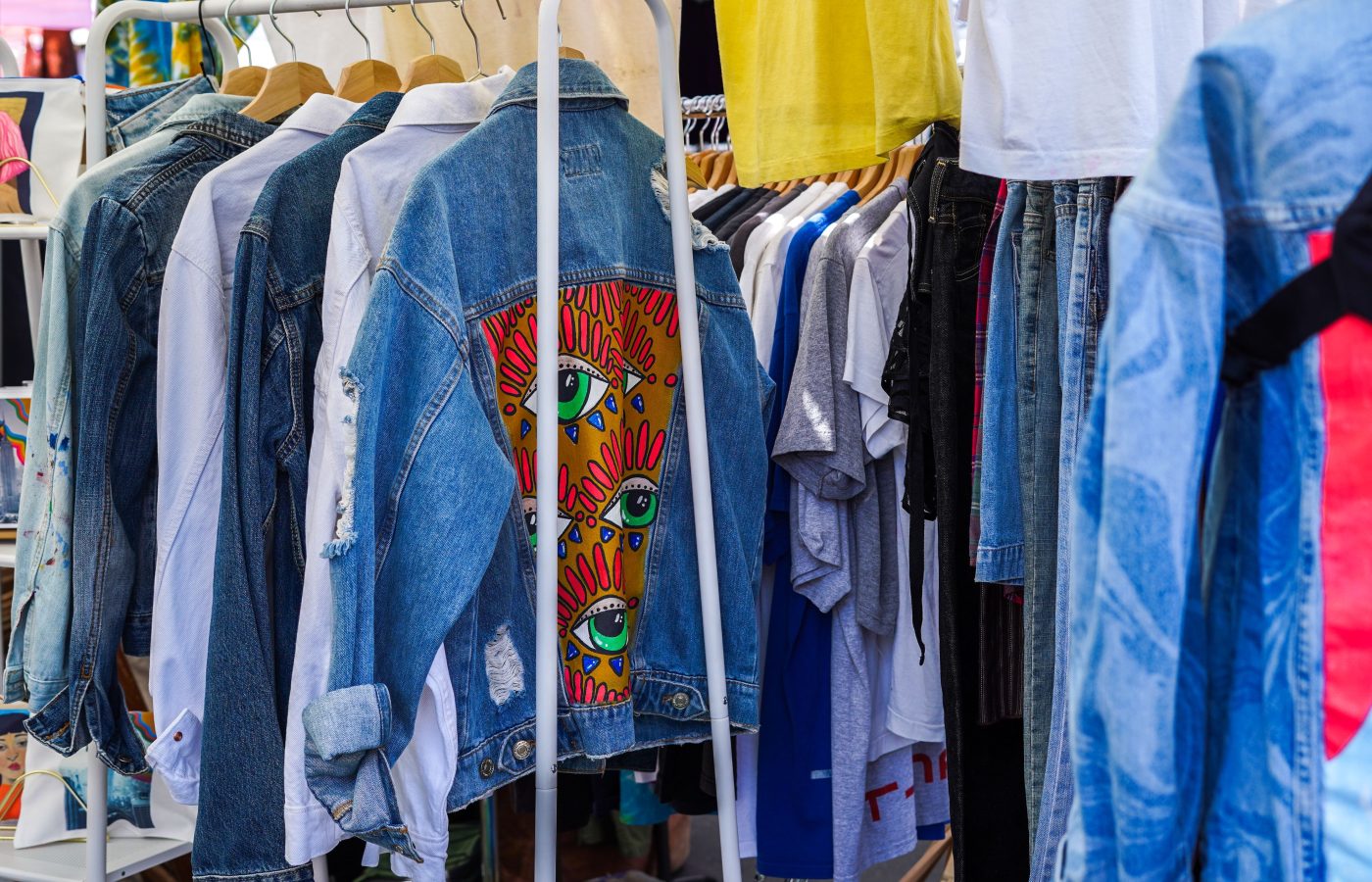
Denim only gets cooler with age. Instead of tossing worn-out jeans, repurpose them into sturdy tote bags that are not only stylish but also practical for carrying everyday items. Adding design elements like pockets makes them super functional. Smaller leftover pieces of denim can be used to make travel pouches. The rugged texture gives a cool, recycled look while reducing waste.
3. Old Baggy Shirts
Oversized shirts are the ultimate DIY goldmine. Crop them into casual tops or reshape them into sleeveless summer shirts. And the best part? You can tailor it according to your body. Keep collars or raw hems untouched for extra character.
4. Broken Necklaces
Even jewellery deserves a second chance. Combine multiple pieces into waist chains or belts, instantly elevating both traditional and western looks. Add adjustable clasps to make them fit perfectly, making them both functional and fashionable.
5. Scrunchies from Extra Fabric
Have small fabric scraps and no use for them? Turn them into scrunchies! Pieces from old shirts, saris, or any soft material with pretty patterns work well for this. To make one, cut a fabric strip, sew it into a tube, insert an elastic band, and stitch the ends together. Each upcycled scrunchie holds the fabric’s story. A low-waste, high-style way to keep patterns alive.
Mindset Shift Needed: The Future is Slow, Not Disposable
Fast fashion convinces us that “new” means “better.” But real style isn’t about novelty – it’s about meaning. Hand-me-downs aren’t just old clothes; they’re heirlooms stitched with love, stories, and history, and connecting generations while nudging us toward a more mindful way of dressing.
What often holds people back from embracing them isn’t practicality but perception. Secondhand pieces are seen as outdated or shabby, when in reality, that chipped button or softened hem is what makes them special, like the wrinkles on a beloved photograph. Instead of calling them “used,” think of them as “pre-loved”, one-of-a-kind markers of individuality.
Next time you feel like you have nothing to wear, skip the mall and dive into your family’s old trunks. Pull out your sister’s kurta or your mom’s sari, style it your way, and even share its story online. Because when we rewear and reimagine, we’re doing more than saving money or reducing waste – we’re keeping memories alive.