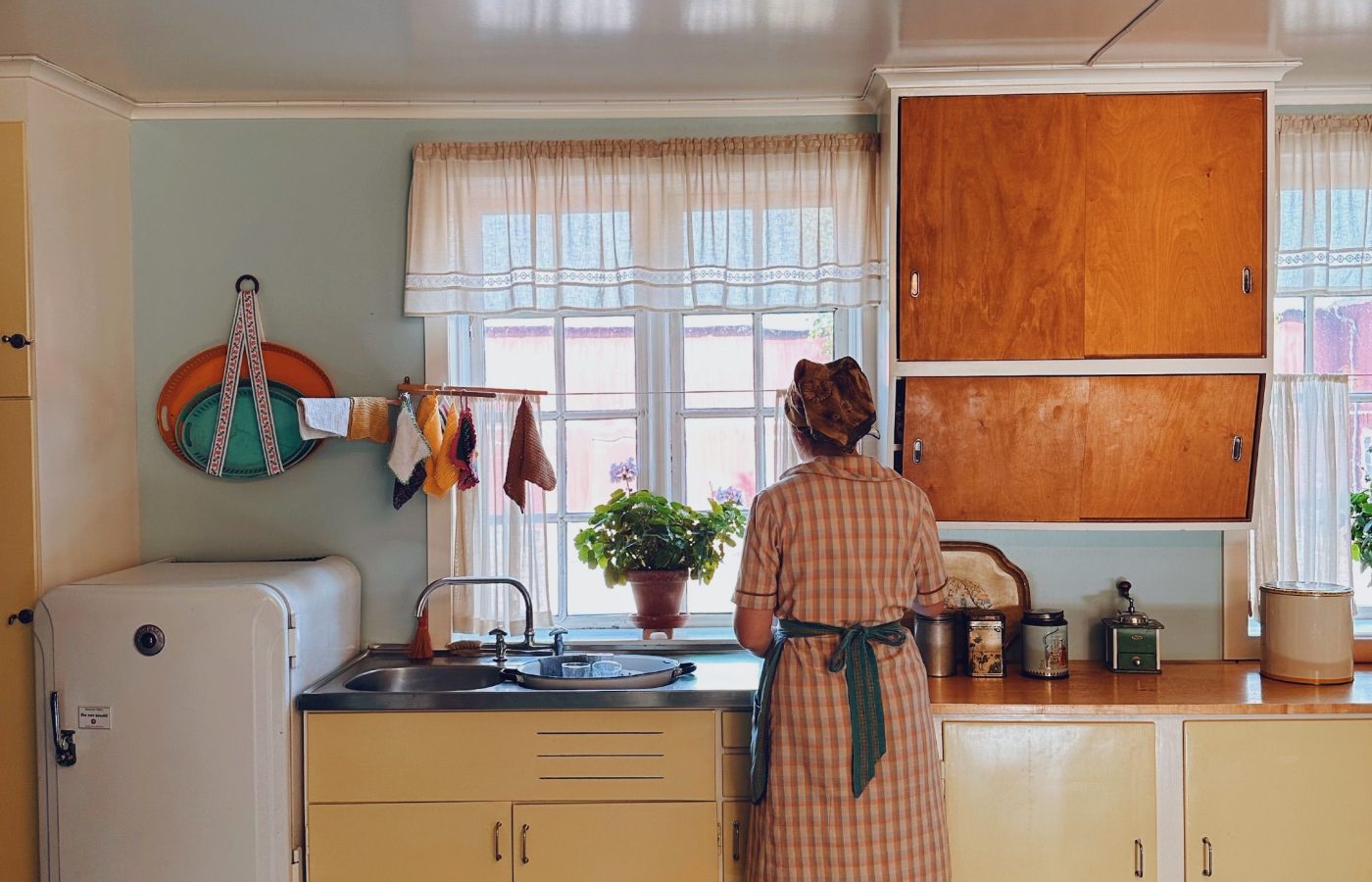
If you scroll through any social media app, there is a very high chance that you’ll come across videos of women with a “picture-perfect” version of domestic life. Dressed in soft, vintage-inspired clothes, cooking elaborate meals, cleaning their house, and caring for big families in spotless, storybook homes, alone.
This aesthetic looks calm, beautiful, and almost dreamlike, giving an escape from the fast-paced chaos of modern life. But under the soothing visuals lies a lifestyle built on traditional gender roles, one that many women in previous generations worked hard to break away from. The pressing question is: Does the glossy tradwife ideal offer choice-or repackage old constraints?
What Is the Tradwife Movement?
To put it simply, a tradwife is a woman who embraces the role of a “traditional doting wife”, listening to her husband, caring for her home, and focusing on homemaking responsibilities such as cooking, cleaning, and raising children. This differs from being a housewife, which is a practical role within a household. A tradwife, on the other hand, ties this lifestyle to an ideology that idealises rigid gender roles. On the surface, it may look like a sweet return to lost domestic skills, but it goes much further than an occasional slow-living hobby.
Unlike casual homemaking, the tradwife identity is rooted in a gendered framework that defines women mainly by their place in the household and service to family. Online, this is presented through cotton saris, handmade pickles, freshly rolled rotis, and spotless, well-kept kitchens – all pointing to a romanticised past where masculinity and femininity were seen in rigid, fixed ways.
Why is the Tradwife Movement Taking Off in 2026?
The rise of the “tradwife” trend is more than just pretty clothes and home cooking-it reflects a deeper fatigue with modern life. Fueled by social media algorithms, influencer culture, and nostalgia, it packages a 1950s-style ideal in soft, aesthetic visuals that feel comforting and predictable, even if that “simpler life” is more myth than reality.
On Instagram and YouTube, creators romanticise homemaking and marital submission as an escape from job stress and instability, offering viewers a soothing alternative to the endless pressure of having to “do it all.”
For many women, watching someone cook for her family or tend to a farm feels like a nostalgic balm in uncertain times. Yet beneath the calm surface, the movement carries political undertones rooted in conservative and religious ideals of family order and rigid gender roles.
The irony is that while it appears authentic and wholesome, it’s often a polished performance of a past that never truly existed-glossing over the financial dependence and limitations these roles impose on women, and raising questions about whether this nostalgia risks undoing progress toward equality.
The Faces of the Movement
Right now, a few big names are setting the tone for the tradwife-inspired lifestyle online. Nara Smith has turned everyday homemaking into a kind of art form, with her softly lit cooking routines and calm voiceovers that make housework feel soothing. On the other hand, Hannah Neeleman, better known as Ballerina Farm, shares her life as a mother of eight on a cattle ranch, posting polished snapshots of baking, gardening, and farm chores that look more like a luxury lifestyle brand than messy farm life.
Closer to home in India, actress Swasika Vijay has been drawing attention in India for openly embracing a very traditional married life. Through her vlogs and interviews, she talks about wanting a husband who takes charge, describing herself as “one step below” him, and even following rituals like touching his feet each morning or making sure he never washes his own plate.
Together, these women highlight how domesticity is being rebranded as something aesthetic-though what we often see is a carefully edited version of reality, far removed from the hard work that goes on behind the scenes.
Deconstructing the Fantasy
At its core, the “tradwife” movement online is less about reviving an old way of life and more about selling a carefully curated fantasy. The soft lighting, home-cooked meals, and vintage-inspired aesthetics suggest a return to a slower, simpler age, but behind the scenes, this lifestyle runs as a modern business model.
Nara Smith, for instance, is not just a homemaker; she is a successful model whose cooking videos have built her a massive following, while Hannah Neeleman of Ballerina Farm is married to Daniel Neeleman, the billionaire son of JetBlue’s founder. Together, they have turned the image of farm life into a multimillion-dollar brand selling everything from sourdough kits to merchandise. Far from depending on their husbands’ incomes, these women are entrepreneurs who have monetised domesticity, creating financial independence through content, sponsorships, and products.
The “from-scratch” image they promote is visually stunning, but it often hides the real costs: staff support, expensive tools, and the financial safety nets that make such picture-perfect homemaking possible. Beyond that, the movement glamorises the 1950s housewife ideal, a model that in reality was accessible only to privileged upper-middle-class women while leaving out the struggles of working-class women and anyone who didn’t fit the mould. That era was marked by rigid gender roles and limited freedoms, not a universal golden age.
The Unseen and Unpaid Labour: Problems With the “Tradwife” Revival
While the “tradwife” trend may seem harmless, it carries deeper issues of exclusion, privilege, and unrealistic expectations. Many of these influencers come from wealthy and well-supported backgrounds, making their polished homemaking lifestyles unattainable for most women. The movement also glamorises an era when women had fewer rights and little independence, while glossing over the hidden labour behind all these activities without help.
The picture-perfect idea of a “traditional wife” can put extra pressure on women who are already managing jobs, childcare, and household work. Many Indian films explore how these roles often erase a woman’s individuality, demand constant sacrifice, and normalise disrespect or financial control. English Vinglish shows Shashi being mocked by her family for not speaking English, until she rebuilds her confidence and independence. In Thappad, Amrita realises that years of silent disrespect and financial dependence are not okay after one shocking incident pushes her to speak up. In Mrs, Richa gives up her love for dance for her family, only to see her unpaid efforts go unnoticed until she decides to stop conforming.
Together, these films reveal how cultural expectations can trap women in cycles of invisibility and dependence, while also celebrating the strength it takes to reclaim one’s self-worth.
Feminist Reactions and Critiques
Many feminists criticise the tradwife movement for making rigid gender roles look appealing and for pushing a return to patriarchal ideas. They argue that while some women may genuinely choose homemaking, the trend often frames domesticity and female submission as the “natural” or better way for all women, which can make those who work or reject traditional family roles feel judged.
Critics argue that the romanticised “tradwife” ideal overlooks the history of oppression tied to such roles, reinforces narrow stereotypes about women, and pressures them to conform instead of choosing their own paths. It often ignores the diverse realities of women across cultures and classes, dismissing their social and economic contributions outside the home. Films like Lipstick Under My Burkha offer a powerful counterpoint, portraying women like Shireen, who secretly works despite her husband’s control, and Rehana, who dreams beyond conservative limits – highlighting the need for freedom and self-expression over domestic obedience.
For women who choose to work, build careers, and remain financially independent, this messaging can feel dismissive of their ambitions and achievements, as if their choices are less valid. By marketing this lifestyle as aspirational, the tradwife trend risks undoing feminist progress by presenting subservience and limited domestic roles as empowerment, turning nostalgia into a way of reinforcing old hierarchies.
What Does This Housewife Revival Mean for The Future?
The “tradwife” trend may look dreamy with its slow-living aesthetic and nostalgic charm, but beneath the pretty visuals lie real costs. Choosing to stay home can mean giving up financial independence and slipping back into old gender roles that limit a woman’s voice and ambitions. The endless cooking, cleaning, and emotional labour that keep a household running remain unpaid and undervalued.
While the trend reflects our cultural fatigue and longing for stability, it risks romanticising a past that held women back. If it keeps gaining traction, it could shape a future where individuality and equality take a back seat, reminding us why protecting your independence and self-worth matters more than ever.