India’s rich tapestry of textile heritage is nothing short of a living museum woven with stories of tradition, craftsmanship, and cultural identity. From opulent silk sarees to grassroots khadi, Indian textiles have transcended the definition of fabric, becoming the carriers of a legacy spanning millennia.
In an era where sustainability is more than just a trend to follow, and the fashion industry is often criticised for its planetary footprint, these traditional textiles are not only being celebrated for their aesthetic but also for their environmental virtues. Yet, we’re not conducting a mere nostalgic look back. A new wave of Indian designers is passionately building a refreshing narrative of sustainability, ethical production, and age-old practices, and marrying them with contemporary design sensibilities to create timeless elegance. These visionaries are not just preserving heritage — they are innovating, reinterpreting, and elevating it to meet the modern consumer’s demands. The result is a vibrant, sustainable fashion movement that honours tradition and celebrates the past while carving a path toward a brilliantly eco-conscious future.
So, let’s unravel the story of traditional Indian textiles and discover how designers are stitching a sustainable narrative in the ever-evolving threads of fashion.
The Threads of Tradition: Handloom, Khadi, and Silk
Handloom
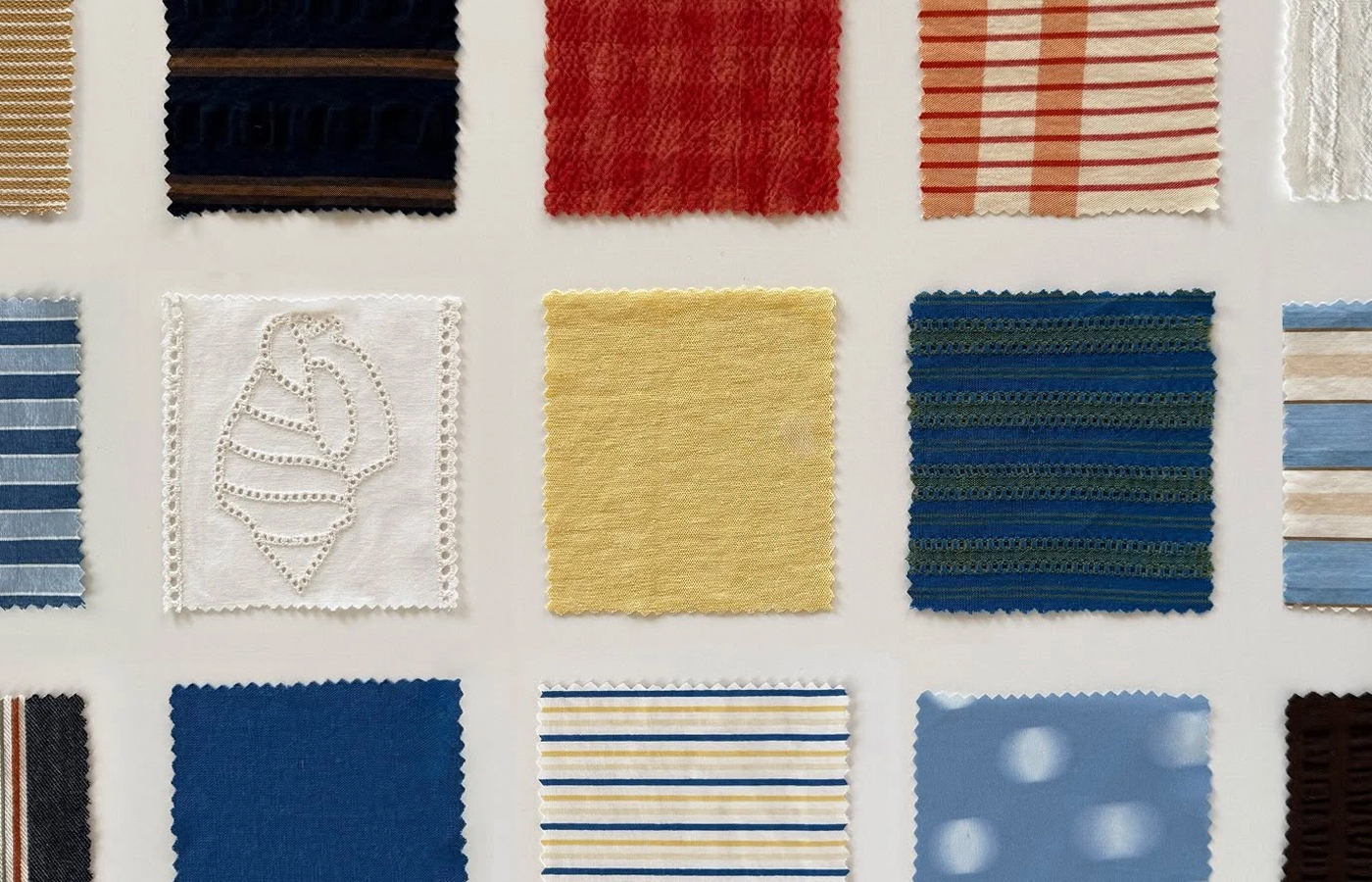
The term ‘handloom’ conjures visuals of karigars meticulously weaving moonlight on looms, their hands dancing in rhythm with the warp and weft. India’s handloom sector is a testament to the diversity of its regional cultures. Whether it’s the vibrant Ikat of Odisha, the intricate brocades of Banaras, or the earthy Dhabla of Gujarat, each weave represents a varied identity, tells the story of the hands that made it, and the people who wore it.
Handloom weaving is inherently sustainable. It relies on manual craftsmanship, eschewing the energy-intensive processes of industrial looms. The raw materials, often sourced locally, further reduce the carbon footprint. Moreover, handloom weaving empowers local economies, providing livelihoods for countless artisans and their families, who have kept the craft alive for decades and beyond.
Khadi
The fabric of India’s independence movement, khadi, is not just a cloth but a symbol of self-reliance and simplicity. Spun and woven by hand, khadi epitomises minimalism and sustainability. Mahatma Gandhi championed the khadi movement in India to empower rural communities and promote self-sufficiency. In today’s world, khadi’s rough, earthy texture and breathable quality make it a must-have among eco-conscious fashion enthusiasts.
The making of khadi is sustainable, as it doesn’t rely on electric units and the manufacturing process doesn’t generate any toxic waste. The yarn is spun from locally grown rain-fed cotton, reducing the need for artificial irrigation. The entire process — from spinning to weaving — is manual, resulting in minimal environmental impact. Khadi embodies slow fashion, starkly contrasting the fast fashion industry’s mass-produced, expendable clothing.
Silk
Indian silk’s resplendent varieties like Tussar, Muga, and Kanjeevaram, have always been synonymous with luxury and grandiosity. Silk weaving is an art form that has been perfected over generations, with each region applying their unique spin on this sumptuous fabric.
While conventional silk production raises ethical concerns because silkworms must be killed to make the final product, India proposes eco-friendly alternatives like Ahimsa or peace silk. This method lets the silkworms complete their life cycle and emerge from the cocoons before the silk is harvested, ensuring the process is cruelty-free. Peace silk marries silk’s elegance with ethical production principles, offering a luxurious yet conscious choice.
Modern Meets Traditional: A New Wave of Indian Designers
In the kaleidoscopic tapestry of fashion, where trends are as fleeting as the seasons, a new league of Indian designers is making waves by reviving traditional textiles with a modern genius. These designers are not just creating garments but reshaping the narrative to honour the past while looking towards a sustainable future. A few notable designers taking Indian fashion to the world are:
- Rahul Mishra: The Poet of Indian Craftsmanship
A maestro of marrying heritage techniques with contemporary aesthetics, Rahul Mishra has put Indian handloom on the global map, with the likes of Kareena Kapoor Khan, Zendaya, Gigi Hadid, Isha Ambani, and many more carrying off his designs. His collections often showcase intricate Chikankari and Banarasi weaves reimagined in silhouettes tailored to modern tastes. Mishra’s commitment to sustainability is evident in his approach to slow fashion, where each piece is a labour of dedication, taking months to create.
- Rimzim Dadu: The Technological Trailblazer
With a penchant for creativity, Rimzim Dadu’s designs seamlessly blend tradition with technology. Her unique approach to textiles involves manipulating materials like metallic yarns and unconventional fabrics to create futuristic textures while retaining the charm of traditional weaving techniques. Dadu’s wearable art has caught the eye of fashion connoisseurs worldwide, from the runways of Lakmé Fashion Week to international exhibitions.
- Payal Khandwala: The Artist Turned Designer
Payal Khandwala, originally a fine artist, brings the artist’s touch to fashion design. Bold colours, architectural silhouettes, and opulent fabrics like silk and handwoven textiles typify her collections. Khandwala’s creations often feature strong, clean lines and minimalist elegance, making them stand out in the crowded fashion landscape. She sources her textiles from local weavers and emphasises the importance of sustainable and ethical fashion.
A Sustainable Future: Challenges and Opportunities
- Empowering Artisans: The backbone of India’s textile heritage is its artisans. Ensuring fair wages, safe working conditions, and recognition for their craft is imperative. Empowering artisans not only preserves traditional crafts but also promotes the economic growth of rural areas.
- Educating Consumers: Building a sustainable future is only possible with informed consumers. Fashion lovers need to understand the value of heritage textiles, recognising the karigari and sustainability they embody. Fashion Revolution’s #WhoMadeMyClothes campaign has been instrumental in bridging the gap between customers and makers.
- Innovation in Tradition: Sustainability doesn’t mean eschewing modernity. Innovations in natural dyes, organic farming, and ethical production techniques can enhance traditional practices. Collaboration between designers, artisans, and technologists can lead to creative yet sustainable sartorial solutions.
Weaving the Future
India’s rich textiles are more than just fabrics; they embody an abundant cultural heritage and sustainable practices. As the fashion industry grapples with its environmental impact, the resurgence of ethical practices like handloom, khadi, and silk offers hope. By embracing these time-honoured crafts and supporting the artisans behind them, we can weave a future of fashion that is both beautiful and responsible.