
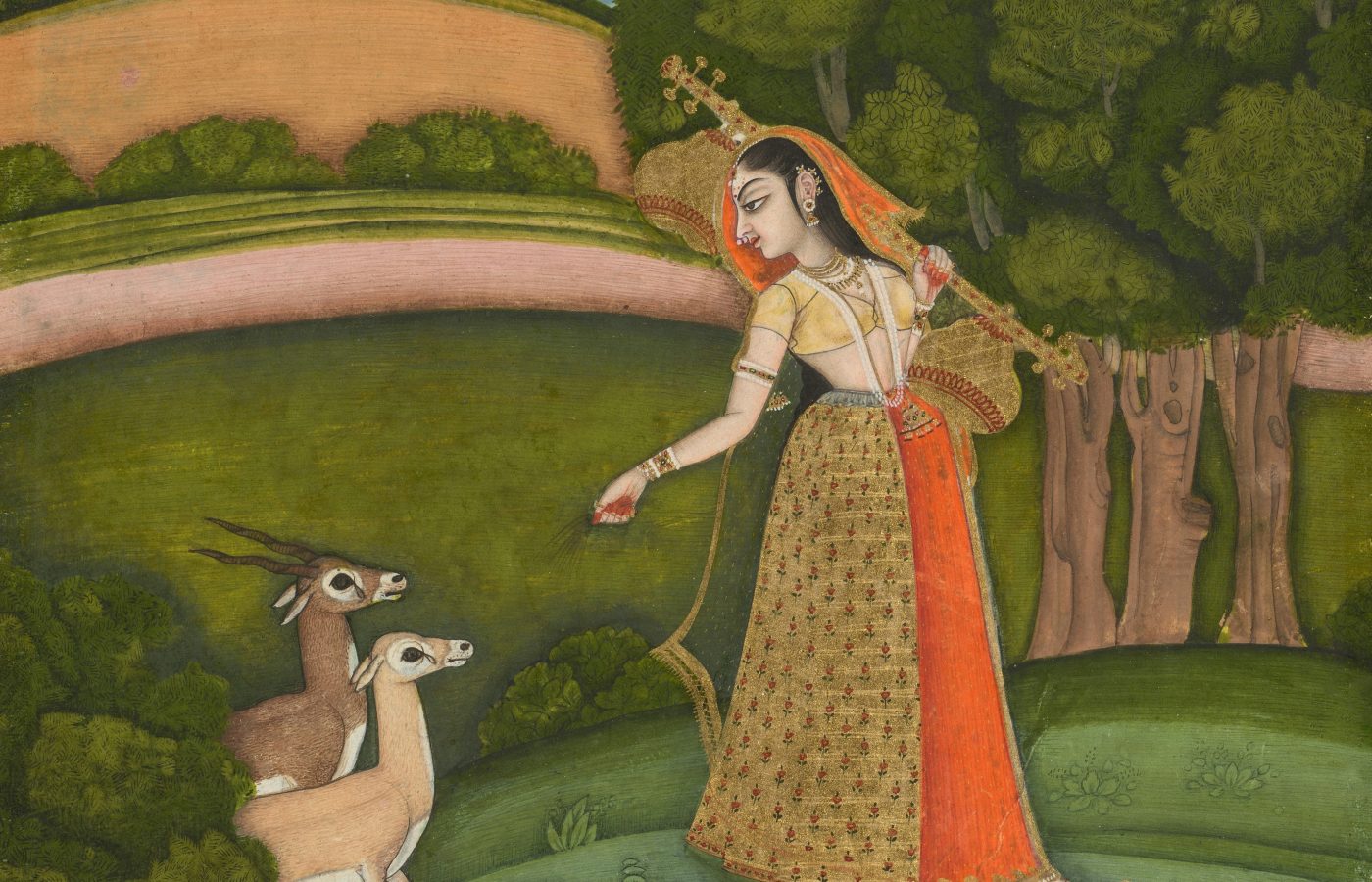
Recently, there’s been a call for more diverse stories in children’s media. One way to do this is by telling classic fairy tales with characters from various cultures. Who better to start with than Rapunzel, with her famous long hair and exciting journey of self-discovery?
Introducing a South Asian Rapunzel could provide an important representation for South Asian children. It also offers a chance to give a beloved story a fresh twist. By incorporating elements of South Asian culture, such as traditions and art, this version of Rapunzel could help children appreciate the beauty of diversity.
Moreover, portraying an Indian Rapunzel could illuminate cultural customs such as the hair oiling routine that serves as a bonding tool. Hair oiling is a significant custom representing care and closeness among loved ones in many South Asian families and goes beyond simple grooming. Children from all backgrounds can learn about and respect the cultural significance of traditions that may differ from their own by featuring this custom in the story, which fosters empathy and cross-cultural understanding.
The Bonding Ritual of Hair Oiling in India
Hair oiling, deeply rooted in Indian tradition, serves as a cherished bonding ritual passed down through generations, particularly between mothers and daughters. This intimate practice involves massaging warm, nourishing oils like coconut and amla into the scalp and hair, fostering not only hair health but also an emotional connection.
Memories of sitting with mothers or grandmothers, sharing stories and concerns while receiving the scalp massage, are common among Indian girls, continuing the tradition as they grow. Beyond practical advantages, the scalp massage stimulates circulation and promotes relaxation, activating the crown chakra for a sense of tranquility.
While hair oiling holds numerous benefits for hair, its true significance lies in its emotional and cultural value, offering families a moment to pause, connect, and honor ancient traditions for centuries.
The Bonding Aspect
The deep bonding element of the hair oiling process is what makes it unique. This custom is a treasured opportunity for close bonding and shared experiences for a lot of Indian families. Mothers frequently take use of this time to spend quality time with their daughters, sharing knowledge, love, and stories in addition to the art of hair oiling.
Beyond only providing physical sustenance, the act of softly rubbing oil into a loved one’s hair fosters a sense of intimacy and care. It’s a time of ease, trust, and love that builds emotional ties and reinforces family ties. Memories that are loved for a lifetime are created by this shared experience, leaving a lasting impact.
Modern Adaptations
The return of self-care and wellness trends has allowed the hair oiling ritual to evolve with modern lives. People are relearning the advantages of this age-old custom and looking into fresh approaches to make it more unique and contemporary. Many are coming up with creative ways to include the ritual into their daily routines, such as making their own blends or experimenting with aromatherapy oils and serums.
The hair oiling practice is becoming more and more popular, especially among younger generations, as a way to express and take care of oneself. Leading the way are beauty lovers and social media influencers, who show inventive ways to incorporate this ritual into everyday life, encouraging people to adopt this age-old habit.
Representation Matters: The Significance of a South Asian Rapunzel
The arrival of a South Asian Rapunzel would be a significant and impactful step towards greater inclusion and inclusivity in storytelling in a world where fairy tale princesses are typically portrayed as primarily white.
> Empowering Young South Asian Girls
It can be a life-changing experience for young South Asian girls to see a figure in a storybook or on the big screen who resembles them physically and culturally. It can foster self-acceptance, pride, and the conviction that they, too, are capable of writing captivating stories about themselves.
> Encouraging Intercultural Communication
A South Asian Rapunzel has the ability to transcend cultural barriers and promote greater understanding among a variety of audiences. Through her introduction to the diverse customs and stories of South Asia, this character can help viewers develop a greater understanding and respect for cultural diversity.
> Taking On Stereotypes and Adding New Narratives
A Eurocentric framework has frequently been used to tell the classic Rapunzel story, which reinforces some preconceptions and constricts the story’s potential. By providing a new viewpoint and extending the definition of a fairy tale, a South Asian Rapunzel can change these stereotypes.
Finally
Given India’s lengthy history and the profound importance of hair care, the introduction of a South Asian Rapunzel persona into popular culture would be a significant celebration of cultural diversity. In addition to displaying the antiquated customs and practices required to care for and nourish hair, this character might elegantly represent the long, lustrous hair frequently associated with South Asian women.
In addition to adding authenticity, scenes with the character performing the hair oiling routine or wearing traditional Indian hairstyles and accessories will inform and uplift viewers about the significance of self-care customs in South Asian culture. Beyond mere beauty, a South Asian Rapunzel might represent the perseverance, beauty, and strength of South Asian women, dispelling myths and encouraging young girls to value their cultural heritage and natural hair.