
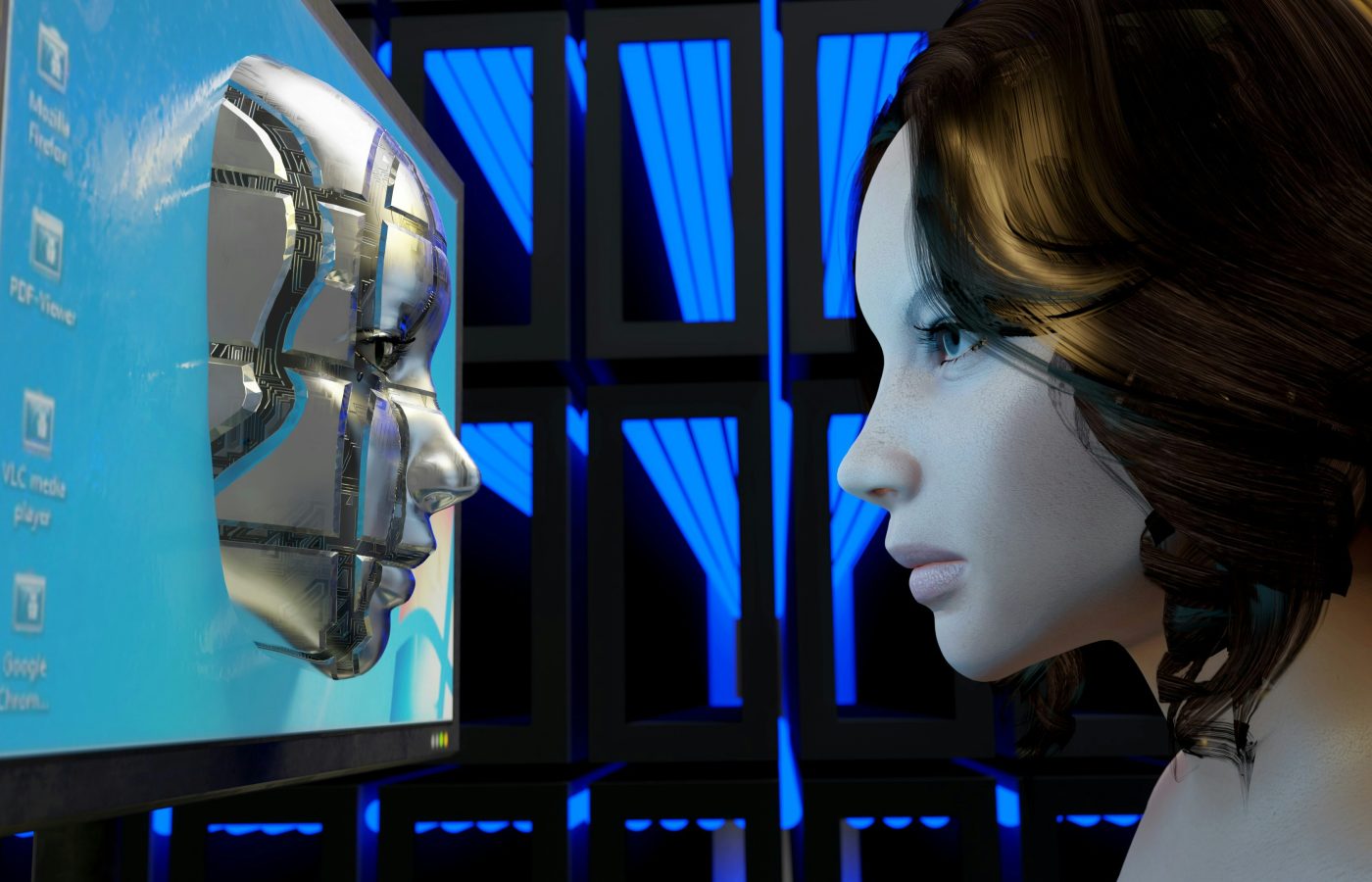
The idea of the “It-girl” has always carried a certain allure. Twiggy with her gaze, Naomi Campbell and Yasmeen Ghauri commanding the runway with every stride, or Kate Moss redefining cool effortlessly. Each era had its muse-the face everyone wanted to see, the style icon who set the tone. But in 2026, the “It-girl” looks very different. She doesn’t have an age, a past, or even a body. She’s not human at all-she’s an algorithm.
Artificial Intelligence has gone from working backstage, sorting data and predicting trends, to stepping into the spotlight. The turning point came when Guess featured an AI-generated model in Vogue’s August issue. More than a gimmick, it signaled fashion’s newest muse – not a person, but a program. With this arrival comes excitement, curiosity, and one big question: Is AI fashion’s new It-girl?
The First Digital Cover Star? A Closer Look at Vogue’s AI-Generated Models
Through Vogue’s August issue, paired with a Guess campaign, AI proved that it is not just supporting fashion anymore-it’s becoming fashion. The campaign featured AI-generated models that looked straight out of an editorial, with flawless skin, perfect symmetry, and polished beauty ideals, the avatars could easily pass for real models. Only a tiny fine-print note revealed they were AI-generated, sparking heated debates about authenticity.
The project came from Seraphinne Vallora, founded by Valentina Gonzalez and Andreea Petrescu, after Guess co-founder Paul Marciano approached them on Instagram. The result? Hyper-stylized, digital muses that showcased AI’s creative power but also raised difficult questions-about diversity, originality, and what happens to real fashion models, makeup artists, and photographers. For some, it signaled fashion’s bold leap toward innovation. For others, it stripped away the very emotion and human connection that make style meaningful.
The Digital Divide: Why Vogue’s AI Models are Sparking Outrage
For a legendary magazine like Vogue, long hailed as the pinnacle of fashion and cultural influence, the decision to feature AI-generated models was met with sharp criticism, with many seeing it as a blow to its legacy. Revered for decades for celebrating real human beauty and emotion under the influence of Anna Wintour, Vogue’s embrace of glossy, synthetic avatars, flawless yet soulless, was met with the accusations of cheapening its brand and eroding the trust it had built through authentic storytelling and inclusivity.
To readers, the pixel-perfect images resembled high-end video game graphics rather than true fashion photography, stripping away the narrative, diversity, and raw humanity that once defined the magazine. The move quickly led to subscription cancellations and a sense of betrayal among loyal audiences who felt that technology was being prioritized over the emotion that could only be poured in by real fashion models, photographers, and stylists.
Some critics also warned that these hyper-polished avatars, even when labeled as AI, pushed beauty standards to even more unattainable extremes, especially for the younger generation which is already immersed in filtered, curated digital aesthetics of Instagram filters. What emerged in the end was an “authenticity paradox,” where the essence of fashion drifted further from emotion, humanity, and creativity as its icons became artificial.
Beyond the Runway: How AI is Weaving Its Way into the Fabric of Fashion
Of course, AI in fashion is an authenticity test. But can an AI model ever match the charisma of a human one? Modeling has never been just about looks, it’s about presence, personality, and storytelling, things that come alive in the flesh. And though it might not seem obvious, AI has long been part of fashion’s DNA, shaping everything from the icons we follow to the way we shop.
Take virtual influencers like Lil Miquela and Lu do Magalu. Miquela, created by LA-based Brud, has 2.4 million Instagram followers and effortlessly blends fashion, music, and activism while fronting campaigns for Prada, Dior, and Calvin Klein. Similarly, Lu Magalu, first built in 2003 and later brought to life on YouTube in 2009 as a digital assistant for Brazilian retailer Magazine Luiza, has grown into a cultural phenomenon with 8.4 million Instagram followers and campaigns for Samsung, MAC, Red Bull, and Intel.
For brands, these AI-powered figures unlock new creative control, scalability, and marketing opportunities, pointing to a hybrid era where technology and artistry merge. But the influence doesn’t end with glossy avatars, AI is quietly transforming everyday fashion through virtual try-ons, personalized styling, and real-time trend forecasts. By analyzing retail and social media data, it helps brands spot what’s next almost instantly. Together, the result is an industry that blends digital creativity, consumer experience, and responsibility into a seamless, forward-looking whole.
Why AI Appeals to Fashion
AI is changing fashion in ways that feel both exciting and effortless. It takes the guesswork out of trends by analyzing huge amounts of data, helping designers create collections that are fresh and relevant. For shoppers, it makes the experience more personal-think virtual try-ons, curated suggestions, and styles that feel like they were picked just for you.
Behind the runway, AI keeps things efficient by streamlining production, managing supply chains, and preventing overproduction. It even sparks creativity with generative design tools and makes custom-fit pieces possible, so clothes feel unique and perfectly yours. Together, these shifts make fashion more adaptive, sustainable, and deeply connected to the consumer.
AI as the “It-Girl”: A Digital Muse
So, is AI the new It-girl? The short answer: no. AI can never match the charisma of icons like Cindy Crawford, Shalom Harlow, or Gisele Bündchen. While digital figures may seem flawless and endlessly adaptable, the true It-girl is defined by presence, personality, and the imperfections that make her human, qualities no algorithm can replicate.
But the real question isn’t whether AI will be in fashion – it’s how far it will go. Could an AI creation ever achieve the cultural status of legendary models, or will it remain a visual experiment, forever chasing but never replacing human star power? Rather than replacing real creativity, AI only highlights the limits of technology in fashion and reminds us why human muses remain irreplaceable.